 Skip to content
Sculptures are more than decorative objects—they are artistic investments that enhance the character of a space. Whether crafted from stone, resin, or composite materials, proper maintenance ensures that your sculpture retains its visual impact and structural integrity over time.
In modern interiors, where handcrafted pieces are designed to elevate everyday living , maintenance becomes essential not just for preservation, but for sustaining the aesthetic value of the space.
Understanding Your Sculpture Material

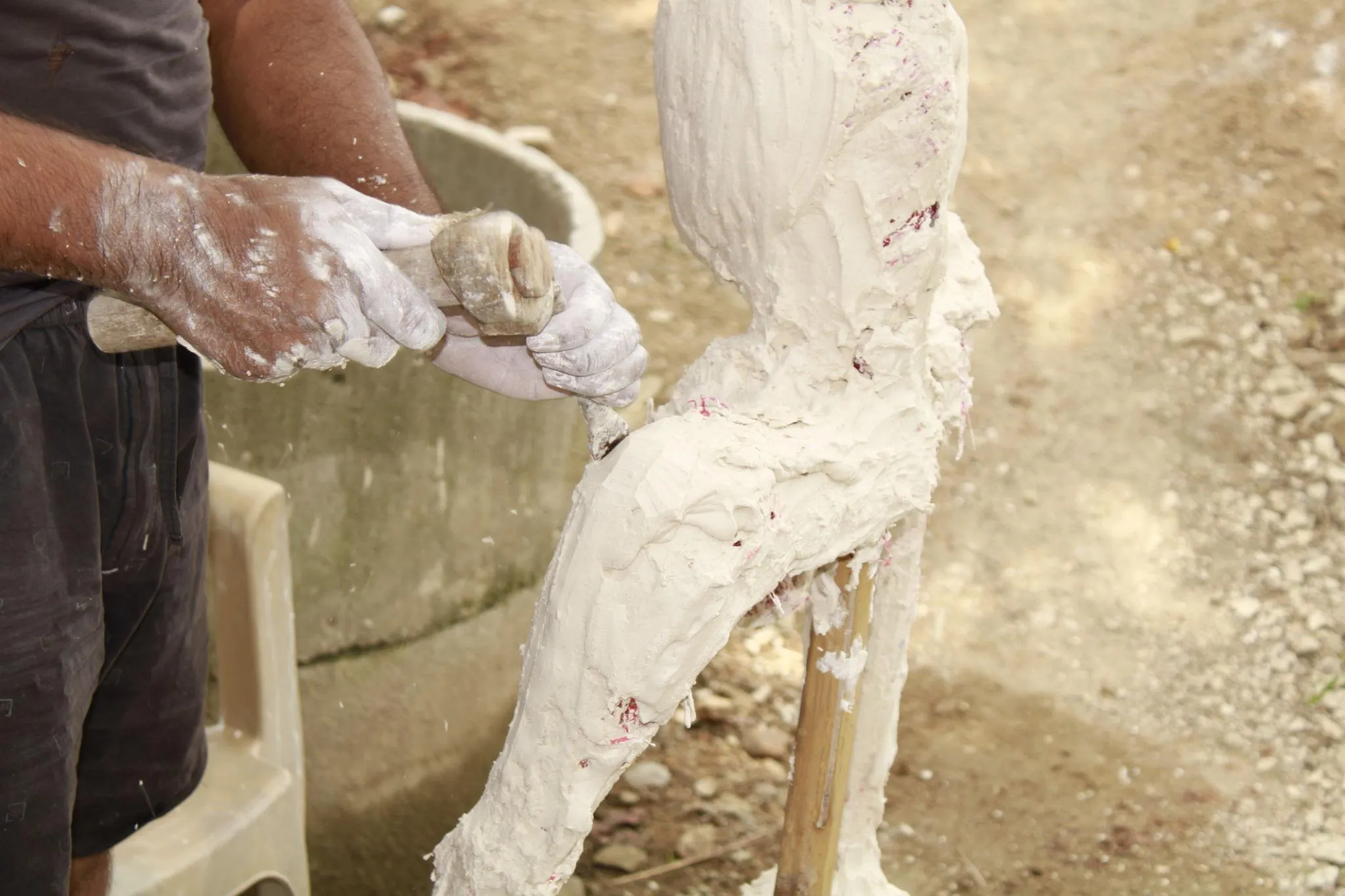
Different materials require different care strategies. Before cleaning or placing your sculpture, you must identify its composition.
Common Materials:
- Natural Stone (Marble, Limestone): Durable but porous
- Resin / Artificial Stone: Lightweight and less fragile
- Plaster / Composite: Sensitive to moisture and impact
Understanding this is critical because improper care can cause:
- Surface erosion
- Discolouration
- Structural weakening
Ideal Placement for Longevity

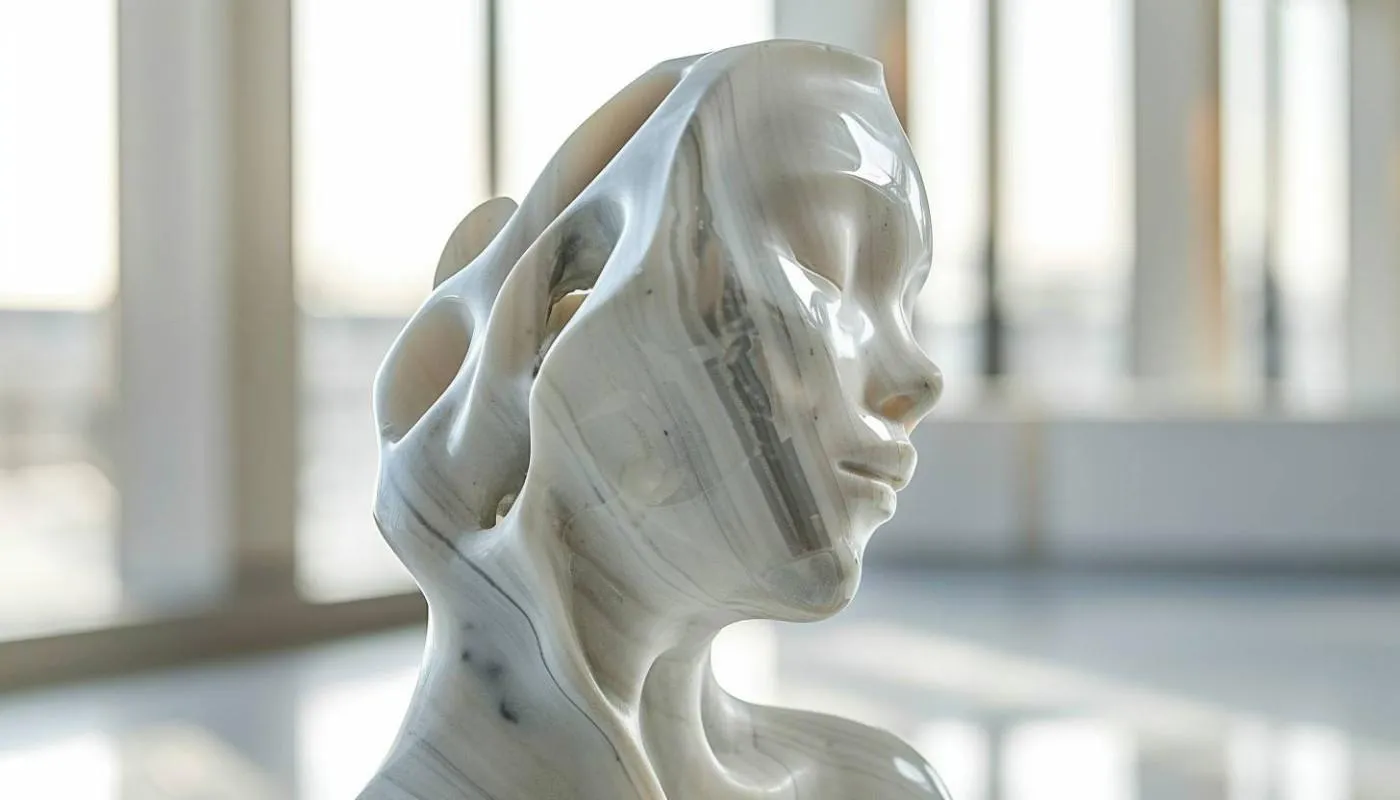
Where you place a sculpture directly impacts its lifespan.
Best Practices:
- Avoid direct sunlight → prevents fading and heat damage
- Keep away from high humidity areas → especially for porous materials
- Ensure stable surfaces → prevents accidental falls
- Maintain moderate temperature conditions
A well-placed sculpture not only lasts longer but also enhances spatial harmony.
Cleaning Techniques (Without Damage)
Cleaning must be precise—aggressive methods can permanently damage the surface.
Recommended Method:
- Use a dry microfiber cloth for regular dusting
- For details, use a soft brush
- Avoid water unless material allows it
- Never use chemical cleaners unless specified safe
Important Rule:
If you’re unsure, always choose the least invasive method.
Protecting Against Environmental Damage
Environmental factors are the biggest threat to sculptures over time.
Key Risks:
- UV Exposure: Causes fading and brittleness
- Humidity: Leads to mould or weakening
- Dust Accumulation: Dulls the finish
Protection Strategies:
- Apply protective sealants (if compatible)
- Use display covers in high-risk environments
- Maintain regular cleaning routine
Handling and Moving Sculptures Safely
Improper handling is one of the most common causes of damage.
Correct Handling:
- Always lift from the base, not fragile parts
- Use both hands for balance
- Avoid dragging across surfaces
- Use protective padding when transporting
Even lightweight sculptures can crack or chip if mishandled.
Long-Term Preservation Tips


To ensure your sculpture remains timeless:
- Establish a monthly maintenance routine
- Inspect for micro-cracks or surface changes
- Reposition occasionally to avoid uneven exposure
- Store properly if not in use
Consistent care ensures that handcrafted pieces maintain their elegance and presence over time.
Final Thoughts
A sculpture is not just decor—it’s a statement piece that reflects taste, artistry, and atmosphere. Proper maintenance preserves not only the object itself but the emotional and visual impact it brings to your environment.
By following these practices, you ensure that your sculpture continues to elevate your space—just as it was intended from the very beginning.